
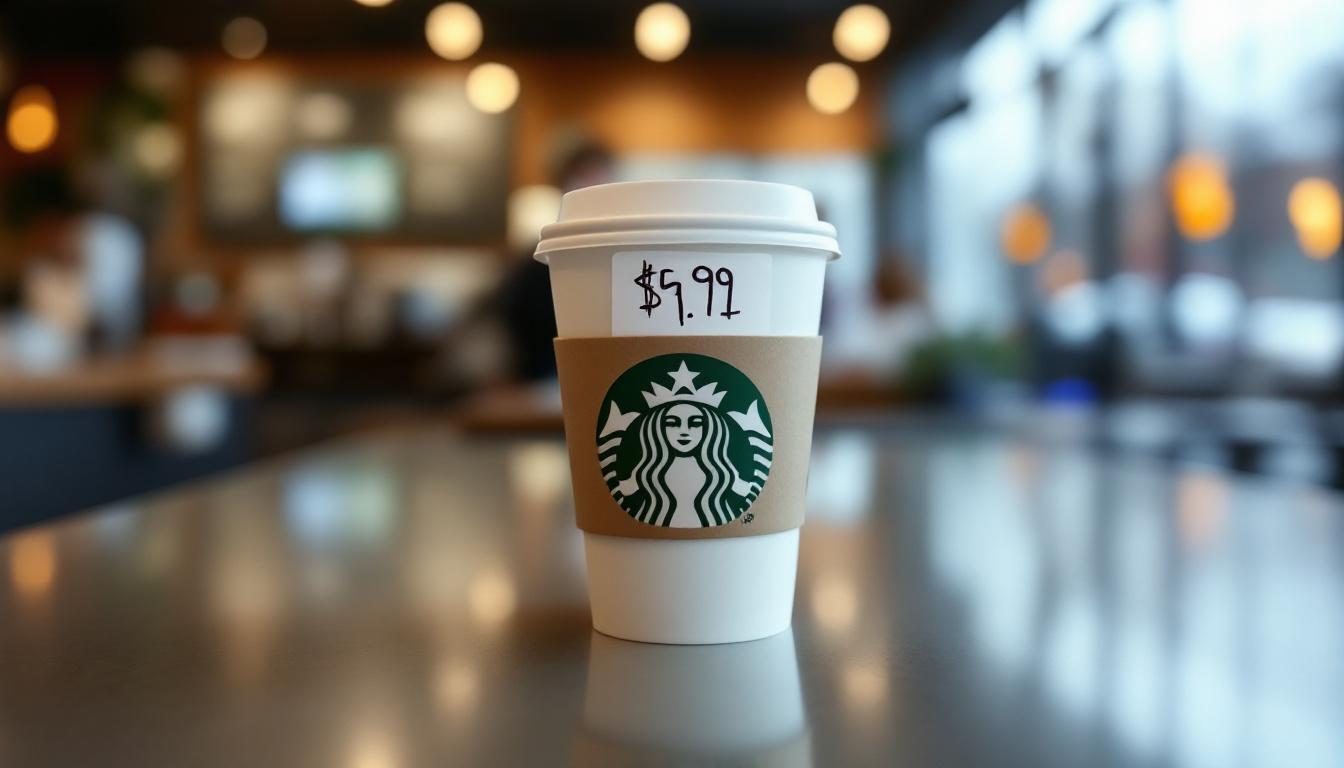
So here we are, folks. The year is 2026, eggs just came back down to a price that doesn’t require a second mortgage, and some genius in a corner office at Starbucks headquarters looked at the spreadsheet showing their tanking foot traffic and said, “You know what the problem is? We’re not charging enough.” That’s right — Starbucks CEO Brian Niccol has unveiled his brilliant turnaround strategy, and it involves convincing you that paying nine American dollars for a cup of coffee is a “premium experience.” Nine dollars. For bean water. In a cup with your name misspelled on it.
Because nothing says “premium” quite like standing in a line that hasn’t moved since the Obama administration while a twenty-three-year-old with a nose ring and a pronouns pin takes eleven minutes to make something called a “Lavender Oat Milk Cascara Frost” for the woman in front of you who’s paying with an app that crashed twice. That’s the experience they want you to pay nine bucks for. That’s the upgrade.
We need to talk about what’s actually happening here, because this isn’t just a coffee story — this is a story about an entire class of corporate executives who are so disconnected from the people who used to be their customers that they’ve essentially started speaking a different language. Starbucks has been bleeding customers for over a year. Their same-store sales have been dropping. Their drive-thru times are a national embarrassment. People stopped going because the service got worse, the stores got dirtier, and the prices were already insulting. So naturally, the solution is to make everything more expensive and call it “aspirational.”
You want to know what’s aspirational to most Americans right now? Filling up a gas tank without doing math in your head. Buying ground beef without comparing it to what you paid last year. Taking your kids to a fast food joint and getting out for under forty bucks. Those are the real aspirations of the middle class in 2026 — not sipping a nine-dollar latte in a store that looks like a WeWork office had a baby with a Scandinavian prison.
And here’s the part that really gets me. Niccol came over from Chipotle, where his big move was raising prices and shrinking portion sizes. That was his playbook. Charge more, give less, and hope nobody notices. And now he’s running the same con at Starbucks, except instead of giving you fewer beans in your burrito bowl, he’s giving you fewer reasons to walk through the door — and charging you more for the privilege.
Let’s be honest about what Starbucks actually became over the last decade. It stopped being a coffee shop and started being a social experiment. They turned their stores into places where you couldn’t sit for five minutes without being lectured about race relations on the side of your cup. They started closing stores for “sensitivity training” every time someone on Twitter got upset. They let their locations become unofficial homeless shelters in the name of some vague corporate equity policy, and then acted confused when paying customers stopped showing up. You ran off your customer base, Starbucks. You didn’t lose them — you fired them.
And now the play is premium pricing? The play is telling the American consumer — the one who’s been getting squeezed on groceries, on rent, on insurance, on every single thing they buy — that what they really need is an “elevated coffee experience” for the low, low price of nine dollars?
Here’s a free business consultation from a guy who brews his own coffee every morning for roughly thirty-seven cents a cup: people don’t want an elevated experience. They want a good experience. They want their order to be right. They want the store to be clean. They want the line to move. They want someone behind the counter who looks like they want to be there. That’s not premium — that’s the bare minimum that every diner in America figured out in 1955.
But the bare minimum isn’t exciting enough for corporate boardrooms. You can’t do a PowerPoint presentation about “we’re going to make the coffee correctly and keep the bathrooms clean.” No, you need buzzwords. You need “premium.” You need “aspirational.” You need a strategy that sounds impressive to investors even though every actual human being who hears it thinks you’ve lost your mind.
The stock tells the story. Starbucks shares are down significantly from their highs, and every time they announce one of these big brain moves, investors quietly head for the exit. Because Wall Street might be disconnected from Main Street on a lot of things, but even they can do the math on a nine-dollar coffee when Dunkin’ is right across the street selling one for three bucks that tastes just as good — and sometimes better, because Dunkin’ didn’t spend the last ten years trying to be a political movement.
You know who wins this? Your local coffee shop. The one run by the guy named Tony or Linda who knows your name, makes your drink in two minutes, charges you four dollars, and has never once asked you to examine your unconscious bias while you wait. That’s where the customers are going. They’re going to the places that just… make coffee. Without the lecture. Without the theater. Without the “experience.”
Nine dollars for coffee.
In a country where half the population is working overtime just to keep the lights on.
And they wonder why people aren’t walking through the door.
Sometimes the business story writes itself, folks. And this one’s written on the side of a cup — probably with your name spelled wrong.